



All Search Results
-
How I’m surviving the toddler years (tantrums and all)
My husband and I have two children, one of which is a 17-month-old little boy. We are right smack in the middle of all of the challenges that come with raising a toddler.
-
How to help your kids get the most out of playing sports
Why are your kids playing sports?
-
One dietitian's secret to helping your whole family drink more water
We all know it is important to drink at least 8 cups of water per day for proper hydration. Unfortunately, some of us (like myself) have a difficult time meeting this recommendation due to the “boring” taste of water. Sometimes powdered sugar-free drink mixes can be a good option, but for some people it might not be.
-
How we help teens get healthy in a healthy and enjoyable way
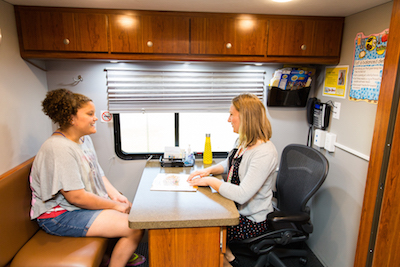
The Teen Xpress program is part of the Howard Phillips Center for Children and Families. We offer health care, mental health counseling, case management, and nutrition and dietary services to teens at select schools in Orange County. As the Teen Xpress mental health therapist, I meet with adolescents every day that are interested in changing their lives. Usually, the teens I work with want to make changes behaviorally or emotionally, but they often also express interest in making physical changes as well. It is not unusual to hear teens say that they want to lose weight.
-
How you can protect your teen from substance abuse?
Over the last few years there has been an increase in the number of teens who are not only experimenting with drugs, but who have developed an addiction problem. According to statistics, about 2 million children between the ages of 12 and 17 are in need of treatment every year. Most teens do not experiment with drugs with the intention to become addicted to them. In fact, most teens experiment with drugs because of curiosity, peer pressure, or to feel good and have a good time. Unfortunately, many continue and many die because of it. As caregivers, it can be challenging to know what to do because addiction is brooded in secrecy and we might not find out until the substance use has become a substance abuse problem.
-
Injuries from nursery products are on the rise. Find out how to keep your baby safe.
I remember a time nearly 8 years ago when I was preparing for the birth of my first child and a friend gave me a sleep wedge as a gift. I’d never heard of a sleep wedge, but she said a friend told her it was a lifesaver for getting a baby to sleep.
-
How to Choose and Pack a Backpack to Be Sure It's Safe for Your Child
As a pediatric occupational therapist, I work with kids to help them become as independent and successful as they can be in their daily tasks and activities. This includes teaching kids to lift and carry items in the most efficient and safe ways for their bodies. Backpacks are a part of your child’s daily school routine, and choosing the right one can affect your child in ways you might not expect.
-
One easy thing you can do to help prevent ear infections
Ear infections are one of the most common medical problems children experience within the first three years of life. They are upsetting and painful for the child, and they often result in frustration and sleepless nights for the whole family. In other words, parents would prefer to avoid ear infections if at all possible.
-
5 Ways to Fight Your Child's Fear of Getting Vaccines
A fear of needles is one of the biggest and most common stressors for children in the hospital. Though this fear is very real, support from caregivers and medical staff can help give kids the tools they need to conquer their fears with ease!
-
5 Important Reasons to Vaccinate Your Child
August is National Immunization Awareness Month (NIAM). As pediatricians, we would like parents and caregivers to understand all of the health benefits vaccines offer for their children. As parents and caregivers, we want the best possible healthy start in life for our babies. We buckle our babies into car seats, make sure they are eating healthy diets appropriate for their age, and baby-proof their surroundings from any potential dangers. We all want to keep our children safe and healthy. An important way to give your children the healthiest start in life is to make sure they receive all of their vaccinations as recommended by your pediatrician or family physician.