


All Search Results
-
What can kids do to help when disasters like Hurricane Harvey hit?
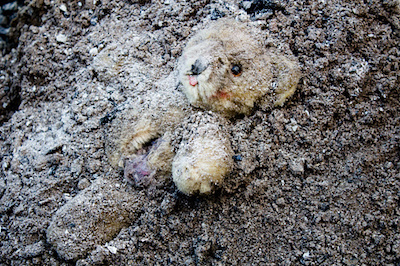 Many relief organizations are asking for monetary donations and usable donated items for those that have been displaced from their homes. Kids can take up cash collections, whether they do this at school or with their family members. That cash can be turned into a check designated to a reputable charitable organization. Kids can also go through their own clothes, books, and toys and set items aside that can be used by children that have been impacted directly by the storm. Many agencies are asking for monetary donations in lieu of “stuff” at the moment, but there will come a time soon where families will need things. Parents can help kids by sorting and organizing items that can be donated, finding appropriate organizations for the donations, and sending them off when the time is right.
 -
Getting to Know Dr. Celine Cattier, Pediatric Palliative Care Specialist
Today we’ll get to know Dr. Celine Cattier, a pediatric palliative care specialist, who has recently joined the Pediatric Palliative Care Team alongside Dr. Blaine Pitts to offer services to patients from newborn to young adult at Arnold Palmer Hospital and Winnie Palmer Hospital.
-
Help Your Child and Teen Lower Their Risk of Prediabetes
When we think about diabetes, we often picture it affecting an adult. And if the disease affects a child, we assume it is type 1 diabetes. But that’s changing. More children and teens are developing type 2 diabetes, and its precursor, prediabetes. A study from 2012 found 23 percent of teens had diabetes or prediabetes, which was an increase from 9 percent in just 10 years. Those are concerning statistics, and researchers believe that the increase is due to more children being obese and overweight.
-
What to Know About Sickle Cell Disease
Sickle cell disease is the name of an inherited problem with red blood cells. Most people have red blood cells that are disc-shaped and move easily through blood vessels, but those with sickle cell have red blood cells that are C-shaped (like the farm tool called a sickle). The unusual shape of red blood cells, as well as their tendency to harden and become sticky as they travel through blood vessels, causes a variety of problems.
-
Avoid distracted driving to keep your family safe on the road
Is distracted driving putting your family in danger?
-
5 Steps for Managing the Risks of Your Child’s Epilepsy
If you have a child with epilepsy, worrying about the risk of seizures can add stress to any day. Whether they’re at school, the playground or accompanying you to the grocery store, you may be searching for signs of an oncoming issue. But there are steps you can take to prevent epilepsy’s most serious risks.
-
The Flu Shot: Your Best Chance Against Influenza, Despite Skepticism
When a child gets the flu, they’re not only sick in bed for a week or more, but the illness also can have serious or life-threatening consequences. During the 2018-2019 season, 138 children died after contracting the flu. Despite the consensus of the medical community, a national survey by Orlando Health Arnold Palmer Hospital for Children found that a shocking number of parents still are skeptical about the safety and effectiveness of the flu shot.
-
Summer Safety Checklist for Children
Summer is the perfect season to get children into the great outdoors. But even on overcast days, applying sunscreen is a must. Sunburns can cause pain, irritation, blisters and even flu-like symptoms — not to mention potentially more serious conditions down the road. Before hitting the beach or bike trail, look for sunscreen that is 30 SPF or higher and has a high percentage of zinc oxide. If your kids will be wading, swimming or sweating, you’ll also want to purchase sunscreen that is water resistant.
-
Is an alternative vaccination schedule better for your child?
This post was originally posted in November 2014
-
Is your child ready to be potty trained?
Written by Erika Diogene, DO
