



All Search Results
-
‘Something’s Not Right:’ Mom Seeks Answers for Daughter’s Potty Problems
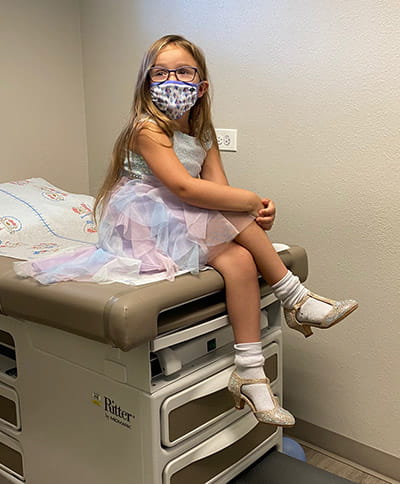 The first sign that something wasn’t right with Zoë Graham was the toddler’s curious potty-training habit of announcing a need to go – only to reveal shortly after that the urge had passed.
-
Keep It Cool — Three Steps to Hydration
By Elizabeth Davis, MD, Pediatric Sports Medicine Specialist
-
Arnold Palmer Hospital Honored with American Heart Association Award
Arnold Palmer Hospital for Children has received the Get With The Guidelines® – Resuscitation Gold Award for implementing specific quality improvement measures outlined by the American Heart Association for the treatment of patients who suffer cardiac arrests in the hospital.
-
50 Percent Fewer Late Pre-Term Babies Admitted into NICU after Reduction in Early Elective Deliveries
Learn how Winnie Palmer Hospital is improving care for infants and their mothers.
-
5 Things Every Child Needs to Be Mentally Healthy
We all want our children to be physically and mentally healthy. But what does it mean to be mentally healthy as a child?
-
Clinical Trials & Research
Orlando Health is a leading-edge teaching institution. Learn more about what clinical trials are underway right now.
-
Institutional Review Board (IRB)
The IRB is an administrative body established to protect the rights and welfare of human research subjects recruited to participate in research activities conducted under the auspices of the institution with which it is affiliated.
-
Campus Visitors
Each nursing unit determines their own visiting hours. Please check with your nurses about their visiting guidelines. If you’re not able to stop by to see your loved one in person, you can use a Patient Privacy Code to access information about your family member or friend. Nurses can authorize parents or guardians to call for health updates on their child.
-
Compliance and Ethics
The Compliance and Ethics Program aids in detecting and preventing deviations from expected behavior, whether intentional or not.
-
Biliary Atresia
Biliary atresia is a liver-related condition in infants. It causes the bile ducts (tubes located inside and outside the liver) to become blocked. These tubes carry bile (a fluid that helps digestion) into the intestine. When these ducts become blocked, bile builds up in the liver and causes damage. Over time, biliary atresia can lead to decreased liver function and cirrhosis (severe liver scarring).
