All Search Results
-
Why (and how) you should get your child involved in music
As a music therapist, I am a fierce advocate for using music to enact positive change in peoples’ lives. Music can do amazing things, and being exposed to music at an early age can have significant advantages. I believe my parents’ decision to enroll me in piano lessons as a kid was something that helped enrich my life and guide me to my current career. Music is something many of us are exposed to daily, but we don’t always engage in music with the purpose of fully understanding it. Of course, it is important to be well informed about how you are exposing your child to music throughout their development in order to ensure the most benefit.
-
Through the Eyes of a Childhood Cancer Survivor: 5 Ways Life Changes after Cancer
“Pray for me, it’s cancer.” This was my first Facebook status update following my official diagnosis with liver cancer at 16 years old. Looking through my Facebook now, there’s photos of my beautiful bride and I celebrating with our closest friends and family - including my former oncologist, Dr. Eslin. While the journey was anything but easy, I am so thankful to have gone through it with my medical team/family at Arnold Palmer Hospital. As a childhood cancer survivor who just celebrated the five-year cancer-free mark, here are the biggest changes I’ve come across as an adult:
-
5 Fast FACTs about Childhood and Adolescent Cancer Survivors
Helping your child beat cancer to enjoy the best possible quality of life is our goal at the Haley Center for Children’s Cancer and Blood Disorders at Arnold Palmer Hospital. For pediatric cancer survivors who are two years or more off therapy, our Follow-up After Cancer Treatment (FACT) Program provides support and care to meet the healthcare needs of a young cancer survivor.
.jpg?h=267&w=400&la=en)
-
What can kids do to help when disasters like Hurricane Harvey hit?
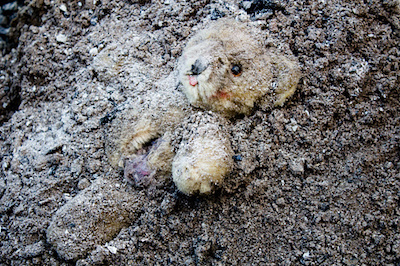 Many relief organizations are asking for monetary donations and usable donated items for those that have been displaced from their homes. Kids can take up cash collections, whether they do this at school or with their family members. That cash can be turned into a check designated to a reputable charitable organization. Kids can also go through their own clothes, books, and toys and set items aside that can be used by children that have been impacted directly by the storm. Many agencies are asking for monetary donations in lieu of “stuff” at the moment, but there will come a time soon where families will need things. Parents can help kids by sorting and organizing items that can be donated, finding appropriate organizations for the donations, and sending them off when the time is right.
 -
Are you cleaning your child’s ear with cotton swabs?
Earwax. It’s sticky, gooey and a terrible shade of yellow, certainly not something you want to see on your baby or young child. And when we do see that yellow goo, many of us manage it by what seems to be a very logical course of action- we take a cotton swab (often referred to by the brand name Q-tip) and clean out our kids’ ears. It seems as much a common sense act of caring for our child as brushing their teeth or washing their hair.
-
Getting to Know Dr. Celine Cattier, Pediatric Palliative Care Specialist
Today we’ll get to know Dr. Celine Cattier, a pediatric palliative care specialist, who has recently joined the Pediatric Palliative Care Team alongside Dr. Blaine Pitts to offer services to patients from newborn to young adult at Arnold Palmer Hospital and Winnie Palmer Hospital.
-
What every parent needs to know about the risk of suicide in young children
Know the risk factors and triggers
-
Pet turtles can make your kids really sick. Here’s how.
My kids have asked me on numerous occasions if we could get a pet turtle. We’ve found tiny turtles scurrying in the grass near the lake, big ones wandering alone in the park or sweet little creatures in the tank at pet stores. My kids wouldn’t care where they came from, but they want one, badly. I’ve said no every single time.
-
The many ways teens act out to harm themselves- and what you can do about it
As we discussed in our earlier blog post on this topic, self-harming behaviors are used as a coping mechanism. You might assume that it would be
-
The many ways teens act out to harm themselves- and what you can do about it (Part 3 of 3)
I hope that by reading Parts One rel="noopener noreferrer" and Two of this series where we talked about the different ways self harm can manifest itself in teenagers and the different reasons why teens engage in self harm, you’ve gained a wider perspective about self-harming behaviors, what they are and why teens do it. This topic is often clouded in misconceptions and caregivers often assume their teen knows better than that. However, even if your teen does know better than that, it is important to be prepared in the event he starts doing it. Our responses as caregivers are the most important factors in helping them stop. This third part will offer practical ideas to help teens who self-harm.