



All Search Results
-
Kids should sleep in. Schools should start later, say pediatricians
If you have a middle or high school student in your home, you may have noticed that their sleep habits have changed as they’ve entered adolescence. They stay up late, find it hard to get up early in the morning and struggle with sleepiness throughout the day. Take heart. It’s not that your kid is being lazy or rebellious. There are real, biological changes happening in their bodies as they mature that make getting enough quality sleep a real challenge.
-
Pediatricians can’t ask you about guns
There’s been an ongoing court battle here in the state of Florida over whether physicians have the right to ask families about gun ownership in their home.
-
Everything you need to know about sending a kid with food allergies to school: Part 2
I shared with you some important things to consider as you send a child with food allergies to school.
-
What you need to know about head lice
The new school year has begun. Chances are that if you have school-aged children, at some point in time you’ll hear those two dirty, little words: head lice. And if your family has had head lice, you aren’t alone- millions of kids in the United States get head lice every year.
What are head lice?
Head lice are tiny insects, roughly the size of a sesame seed. They are one of three different types of lice that can live on humans- head lice, body lice and pubic lice. Although they can be quite a nuisance, head lice do not transmit diseases. They feed on human blood, and are usually found close to the scalp. Head lice are most commonly spread by direct contact with the hair of an infected person. Although sharing personal items such as hats or hairbrushes can transmit head lice, it is much more likely to spread by direct head-to-head contact. Head-to-head contact is common during play, sports activities, camps, and sleepovers. -
Can tea tree oil prevent head lice?
For parents of school-aged children, the mere mention of that four-letter word L-I-C-E can send us into a panic and fast!
-
September is childhood cancer awareness month
You probably won’t finish reading this post.
-
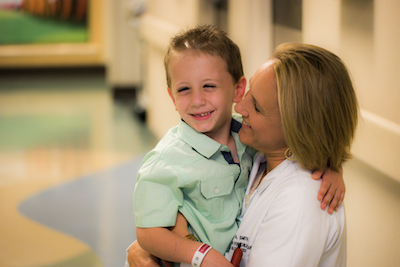
5 Fast FACTs about Childhood and Adolescent Cancer Survivors
Helping your child beat cancer to enjoy the best possible quality of life is our goal at the Haley Center for Children’s Cancer and Blood Disorders at Arnold Palmer Hospital. For pediatric cancer survivors who are two years or more off therapy, our Follow-up After Cancer Treatment (FACT) Program provides support and care to meet the healthcare needs of a young cancer survivor.
-
Construction Begins on Orlando Health Children’s Pavilion
A new era of unparalleled healthcare for children is unfolding on the downtown Orlando campus as construction of the Orlando Health Children's Pavilion is set to begin.
-
My baby is spitting up: is this normal?
As a pediatric resident I get to see many newborn babies, and I often continue to care for them in our outpatient clinic as they grow. In my experience, spitting up is among the top concerns for mothers within the first few months of their babies’ lives. And why shouldn’t it be? More than half of all infants spit up daily. Well, before I give you some tips to help you manage this at home, I’d love to review some information that we as pediatricians keep in mind when we hear the words “spit up.”
-
Pediatric Outpatient Services
Orlando Health Children's Arnold Palmer Hospital offers a number of outpatient services conveniently located to meet your family's needs.
