All Search Results
-
Living with Gastroparesis: Step into one patient's shoes as she lives with a chronic illness
I’m 18 years old, and I have a disease known as Gastroparesis, which means that my digestive tract is paralyzed and unable to digest food. I have been managing this disease for about 3 years and while I do sometimes have to stay in the hospital, I have learned how to take care of many of my medical needs at home. Stay tuned throughout the day for more pictures of me as I manage my daily routine.
-
One easy thing you can do to help prevent ear infections
Ear infections are one of the most common medical problems children experience within the first three years of life. They are upsetting and painful for the child, and they often result in frustration and sleepless nights for the whole family. In other words, parents would prefer to avoid ear infections if at all possible.
-
Why (and how) you should get your child involved in music
As a music therapist, I am a fierce advocate for using music to enact positive change in peoples’ lives. Music can do amazing things, and being exposed to music at an early age can have significant advantages. I believe my parents’ decision to enroll me in piano lessons as a kid was something that helped enrich my life and guide me to my current career. Music is something many of us are exposed to daily, but we don’t always engage in music with the purpose of fully understanding it. Of course, it is important to be well informed about how you are exposing your child to music throughout their development in order to ensure the most benefit.
-
5 Fast FACTs about Childhood and Adolescent Cancer Survivors
Helping your child beat cancer to enjoy the best possible quality of life is our goal at the Haley Center for Children’s Cancer and Blood Disorders at Arnold Palmer Hospital. For pediatric cancer survivors who are two years or more off therapy, our Follow-up After Cancer Treatment (FACT) Program provides support and care to meet the healthcare needs of a young cancer survivor.
.jpg?h=267&w=400&la=en)
-
What can kids do to help when disasters like Hurricane Harvey hit?
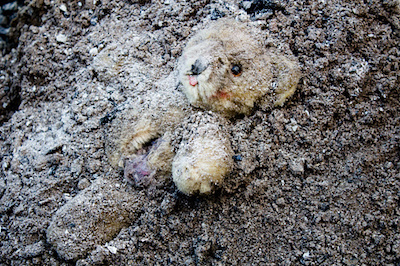 Many relief organizations are asking for monetary donations and usable donated items for those that have been displaced from their homes. Kids can take up cash collections, whether they do this at school or with their family members. That cash can be turned into a check designated to a reputable charitable organization. Kids can also go through their own clothes, books, and toys and set items aside that can be used by children that have been impacted directly by the storm. Many agencies are asking for monetary donations in lieu of “stuff” at the moment, but there will come a time soon where families will need things. Parents can help kids by sorting and organizing items that can be donated, finding appropriate organizations for the donations, and sending them off when the time is right.
 -
Are you cleaning your child’s ear with cotton swabs?
Earwax. It’s sticky, gooey and a terrible shade of yellow, certainly not something you want to see on your baby or young child. And when we do see that yellow goo, many of us manage it by what seems to be a very logical course of action- we take a cotton swab (often referred to by the brand name Q-tip) and clean out our kids’ ears. It seems as much a common sense act of caring for our child as brushing their teeth or washing their hair.
-
How to help kids at every age through the back-to-school transition
Reality has hit- school is back in session. This can be both an exciting and welcomed time for parents and children yet also a time of stress and, if we are honest, panic and confusion, too.
-
What every parent needs to know about the risk of suicide in young children
Know the risk factors and triggers
-
The many ways teens act out to harm themselves- and what you can do about it
As we discussed in our earlier blog post on this topic, self-harming behaviors are used as a coping mechanism. You might assume that it would be
-
Is your child with autism spectrum disorder entitled to music therapy services?
If you have a child with autism, you may find they are especially in tune with certain elements of music like rhythm, harmony, melody, and pitch. Individuals with autism spectrum disorder (ASD) often demonstrate exceptional skills in music. In fact, many musical skills that are rare within the general population are more common in those with ASD. Examples include incredible accuracy in singing or playing musical notes, the ability to recall melodies with great accuracy, and the ability to name musical notes without any reference to a musical instrument.