



All Search Results
-
Can You Tell If Your Child Is Dehydrated?
School may have started, but it’s still sweltering outside. For Floridians, cooler weather is not in the cards for quite a while. As after-school activities and recreational sports begin, we must remember that extreme heat can take a toll on a child’s body.
-
What's your food allergy IQ?
When my daughter was younger, she started attending a Mom’s day out program. When we attended orientation, the school informed us that they are a “peanut-free” school. That means, when packing lunches, we are to avoid all peanut products for all of the children. This is my first foray into the world of school lunches, and I have to admit, I was a bit annoyed. Peanut butter and jelly sandwiches are a staple food in our house. It is my go-to, in-a-hurry food choice. If my child isn’t allergic, shouldn’t I be able to give it to her?
-
Living through the uncertainties of Spina Bifida
Written by Amanda Kern.
-
What is the Cinnamon Challenge?
Perhaps more commonly known as an ingredient in your favorite banana bread recipe, cinnamon has now gained traction as the favorite ingredient in a popular dare among kids and teens: the “Cinnamon Challenge.” And thanks to social media, the dare has gone viral. As of August 2012, there were over 51,000 YouTube videos of individuals partaking in the challenge, and one of these videos has been viewed over 19 million times! The Cinnamon Challenge even has its own website, and in January 2012 the phrase was mentioned an average of 70,000 times on Twitter daily. If you aren’t heavily involved in social media, trust me, the Cinnamon Challenge is a big deal and kids just want to be a part of the craze.
What is the Cinnamon Challenge?
The challenge is actually quite simple, or so it seems. It requires a person to swallow one tablespoon of cinnamon in 60 seconds without drinking any liquid. Sounds easy, but as you can see in the videos that are publicly displayed for viewers’ entertainment, the victims of this challenge usually end up coughing and choking, as the spice triggers a severe gag reflex in response to a burning sensation in the mouth and throat. This challenge is known to be nearly impossible and potentially harmful, as stated on the cinnamon challenge website, but this doesn’t keep kids from wanting to try it themselves.The dangers behind the challenge
A recent study published in the journal Pediatrics took a closer look at the potential dangers of the popular dare. As noted in the study, eating cinnamon in small amounts and mixed with other foods does not cause a problem for most people. However, problems can arise when large amounts are consumed in isolation from other foods. The coughing, choking and gag reflex that occurs in response to consuming cinnamon in this way can cause the spice to make its way into the lungs. While most side effects are temporary, there can be long-lasting lesions, scarring, and damage to the fragile airways. Those who are allergic to cinnamon or have other diseases, such as asthma, may be at a greater risk for developing these long-term side effects. -
Car Seat Safety Guidelines: what you need to know.
There are few things in parenting as complicated as the rules and regulations of car seats. And yet, there are few things as important for the safety and well being of our kids.
-
What do you do when your child just won't cooperate with getting clean?
What do you do if your child does not cooperate with hygiene tasks? Should you battle it out? Just let it go? Of all the tasks a parent must help their child with during a day, these can be the most challenging for parents and kids. They are often the “you have to” tasks for parents and the “I won’t” kind of tasks for the child.
-
What can kids do to help when disasters like Hurricane Harvey hit?
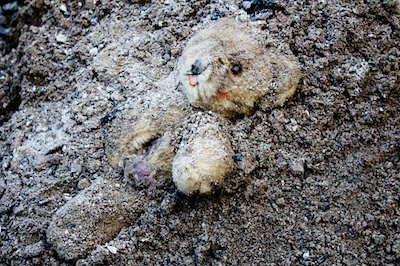 Many relief organizations are asking for monetary donations and usable donated items for those that have been displaced from their homes. Kids can take up cash collections, whether they do this at school or with their family members. That cash can be turned into a check designated to a reputable charitable organization. Kids can also go through their own clothes, books, and toys and set items aside that can be used by children that have been impacted directly by the storm. Many agencies are asking for monetary donations in lieu of “stuff” at the moment, but there will come a time soon where families will need things. Parents can help kids by sorting and organizing items that can be donated, finding appropriate organizations for the donations, and sending them off when the time is right.
-
What happened when my family got head lice: a pediatrician’s perspective
Head lice is estimated to infect six to 12 million children each year in the United States.
-
What every new parent needs to know about postpartum depression
 Having a baby can be one of the happiest times of one’s life, but it’s not unusual for a mom to also experience some not-so-good feelings during this time. Approximately 80% of moms will experience “baby blues,” a mild state of emotional ups and downs that is of short duration and resolves on its own.
-
What every parent should know about febrile seizures
A seizure is abnormal electrical activity in the brain that causes abnormal movements or one to pass out. A febrile seizure is a seizure that occurs when a child has a fever of 100.4°F (38°C) or higher that is due to an infection not involving the brain or spinal cord. Febrile seizures usually occur in children ages 6 months to 5 years and are most common from 12 to 18 months old.
